English
 Arabic
 French
 German
 Indonesian


English
Unit One: Chemical Reactions. Lesson two: the speed of chemical reactions.Keywords (English): e......
Chemistry
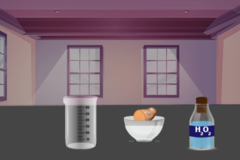
Unit One: Chemical Reactions. Lesson two: the speed of chemical reactions.Keywords (English): enzymes – reaction rate – catalysts – biochemistry
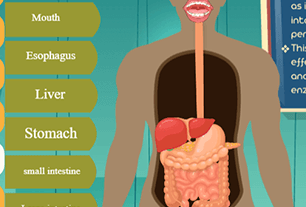
the goal:Identifying the components of the digestive system.Materials and tools:A model of the diges......
Science
the goal:Identifying the components of the digestive system.Materials and tools:A model of the digestive system organs - Anatomy lab - Dissection tools.Steps:Click on the digestive system button, then click on each organ button to display it.You can also click on the 3D button to view the organs in......
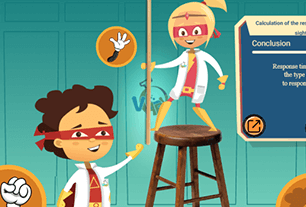
Keywords: Reaction time – Sight – Hearing – Nervous system – Reflexes
Science
Keywords: Reaction time – Sight – Hearing – Nervous system – Reflexes
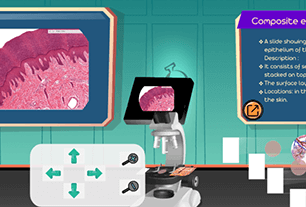
Keywords: Epithelial tissues – Simple – Compound – Cells – Covering
Biology
Keywords: Epithelial tissues – Simple – Compound – Cells – Covering
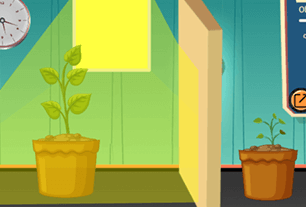
Keywords: Light – Plants – Photosynthesis – Growth – Energy
Science
Keywords: Light – Plants – Photosynthesis – Growth – Energy
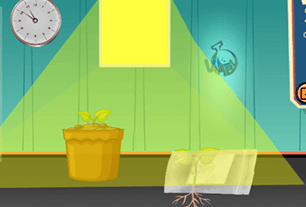
Keywords: Soil – Plants – Growth – Requirements – Water
Sciences
Keywords: Soil – Plants – Growth – Requirements – Water
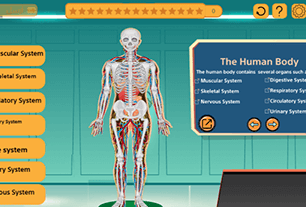
Keywords: Body systems – Digestive system – Circulatory – Nervous – Urinary
Science
Keywords: Body systems – Digestive system – Circulatory – Nervous – Urinary
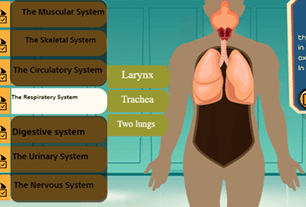
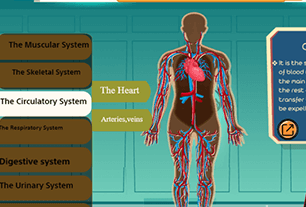
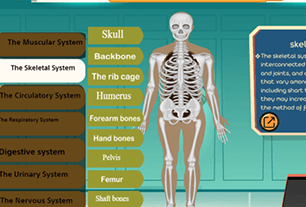
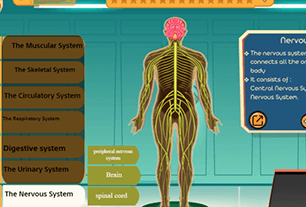
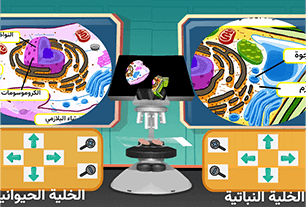
Animal and plant cell under a microscopeKeywords (English): animal cell – plant cell – microscope –......
Science
Animal and plant cell under a microscopeKeywords (English): animal cell – plant cell – microscope – nucleus – organelles
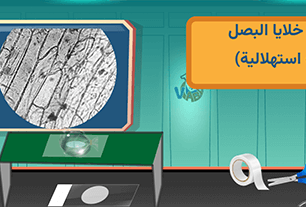
Watching onion cells (introductory experiment)Keywords (English): onion cells – microscope – cell wa......
Science
Watching onion cells (introductory experiment)Keywords (English): onion cells – microscope – cell wall – nucleus
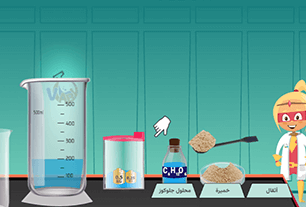
the goal:Inference: Cells use food or sugar to produce energy. Note the mitochondria in differe......
Biology
the goal:Inference: Cells use food or sugar to produce energy. Note the mitochondria in different cells.Materials and tools:Listed equipment - 2% glucose solution - resealable plastic bag - small weights - glass beaker - water bath at 37 degrees CelsiusSteps:1. Put a quantity of glucose solutio......
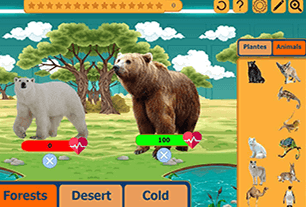
Keywords: Adaptation – Animals – Plants – Environment – Survival – Structural and behavioral traits
Science
Keywords: Adaptation – Animals – Plants – Environment – Survival – Structural and behavioral traits
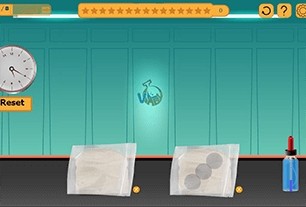
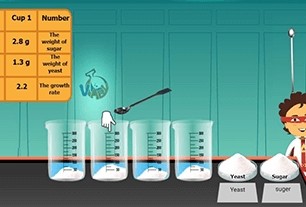
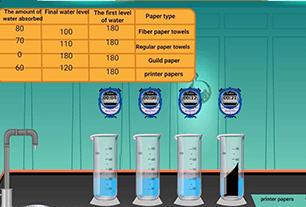
Keywords: Large intestine – Water absorption – Waste excretion – Beneficial bacteria
Science
Keywords: Large intestine – Water absorption – Waste excretion – Beneficial bacteria
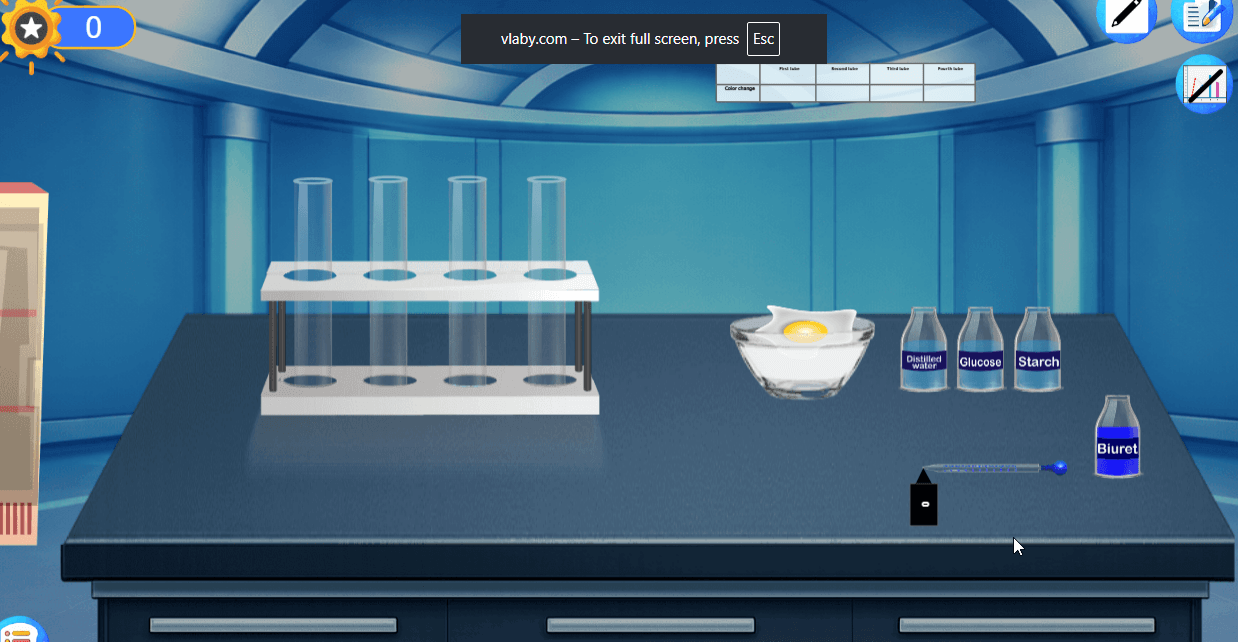
Objective: To detect the presence of proteins in a sample using the Biuret reagentMaterials: Test tu......
Biology
Objective: To detect the presence of proteins in a sample using the Biuret reagentMaterials: Test tubes _ Test tube rack _ Egg white _ Glucose solution _ Starch solution _ Distilled water _ Biuret reagent _ DropperSteps: Prepare 4 test tubes and place in each one: egg white, glucose, starch, or dist......
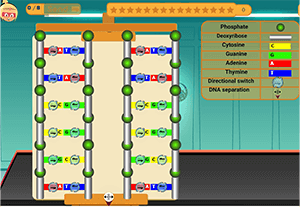
Keywords: DNA replication – Chromosomes – Genetic code – Replication enzymes
Sciences
Keywords: DNA replication – Chromosomes – Genetic code – Replication enzymes
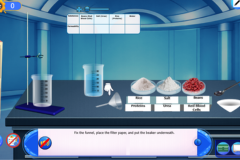
Keywords: Excretion – Wastes – Kidneys – Sweat – Carbon dioxide – Detoxification
Sciences
Keywords: Excretion – Wastes – Kidneys – Sweat – Carbon dioxide – Detoxification
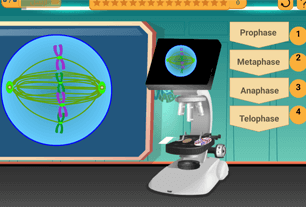
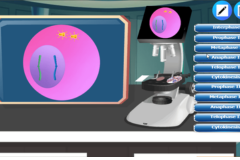
Phases of mitosis - Cell cyclecell cycle – mitosis – chromosomes – growth – cell division
Science2
Phases of mitosis - Cell cyclecell cycle – mitosis – chromosomes – growth – cell division
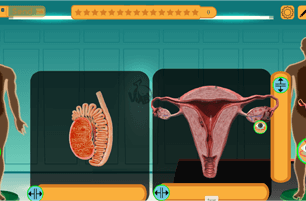
Male and female reproductive systemKeywords (English): reproductive system – male – female – fertili......
Sciences
Male and female reproductive systemKeywords (English): reproductive system – male – female – fertility – reproduction
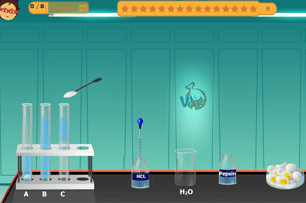
Keywords: Pepsin enzyme – Protein digestion – Stomach – Gastric juice – Digestive enzymes
biology
Keywords: Pepsin enzyme – Protein digestion – Stomach – Gastric juice – Digestive enzymes
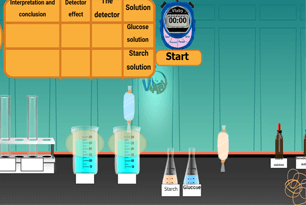
Keywords: Semi-permeable membrane – Diffusion – Osmosis – Molecules – Membrane transport
biology
Keywords: Semi-permeable membrane – Diffusion – Osmosis – Molecules – Membrane transport
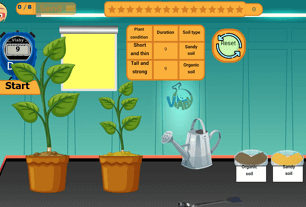
Keywords: Soil – Plant growth – Silt – Sand – Clay – Humus
Science
Keywords: Soil – Plant growth – Silt – Sand – Clay – Humus
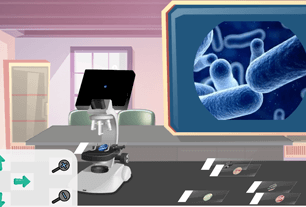

Explore | What are living things? And what are non-living things?
Science
Explore | What are living things? And what are non-living things?

Keywords: Genetics – Genes – Mendel – Traits – Punnett squares
Biology
Keywords: Genetics – Genes – Mendel – Traits – Punnett squares
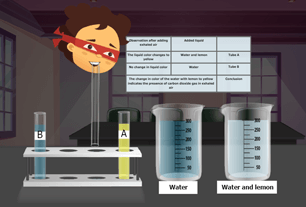
Keywords: Exhalation – Carbon dioxide – Limewater – Respiration
biology
Keywords: Exhalation – Carbon dioxide – Limewater – Respiration
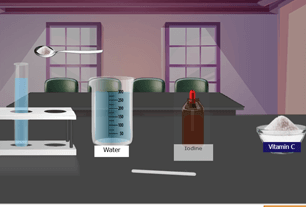
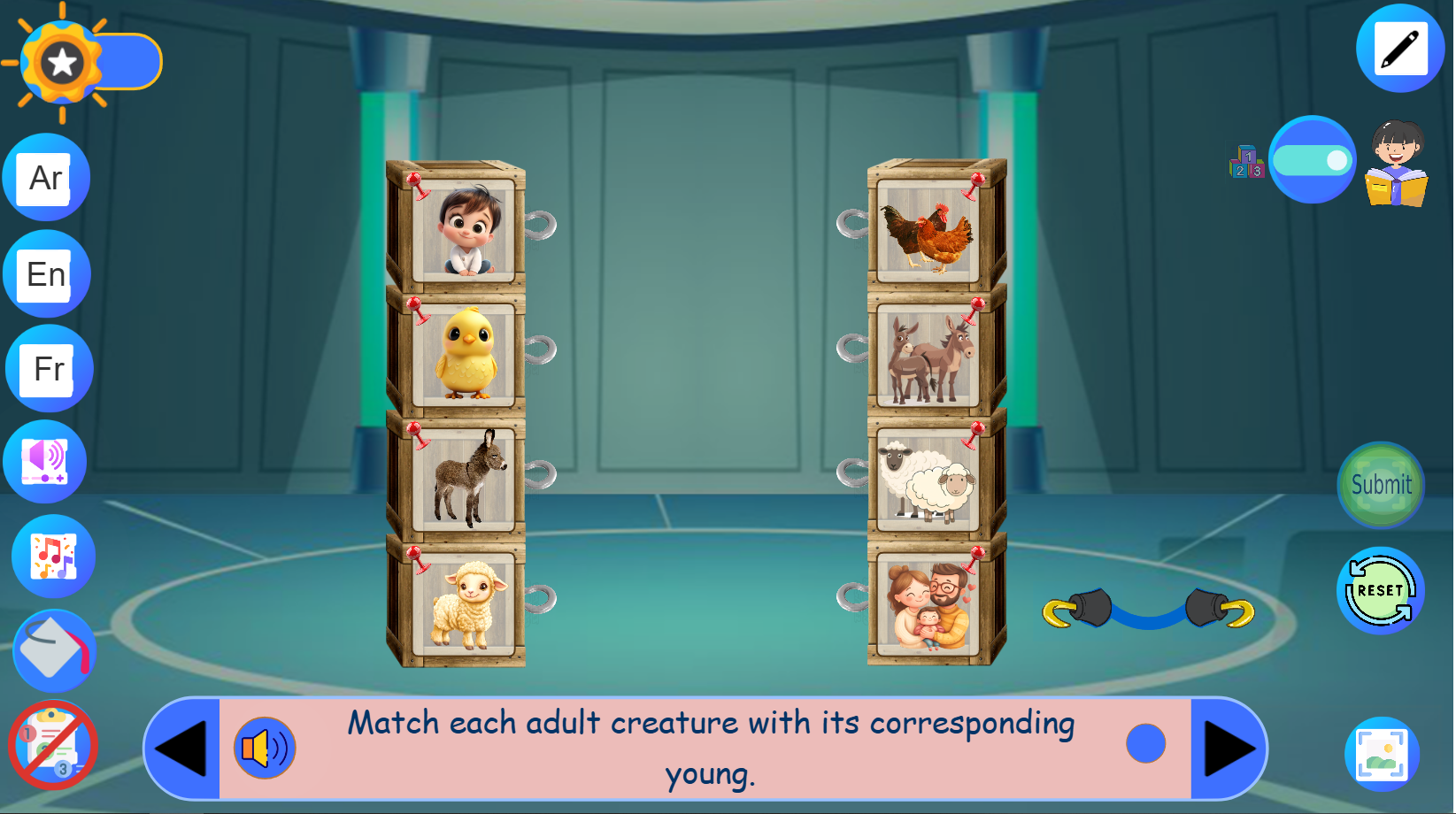
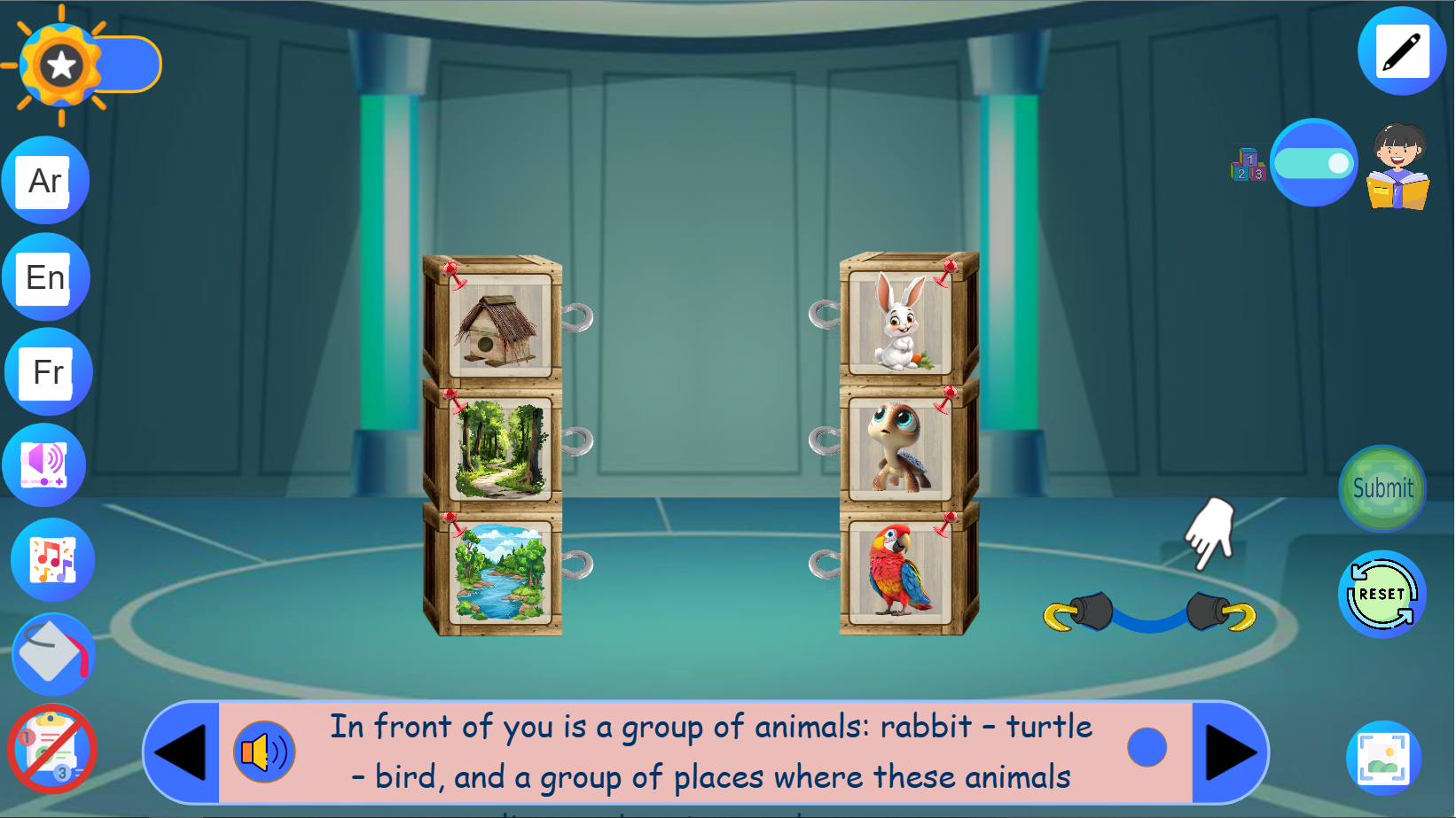
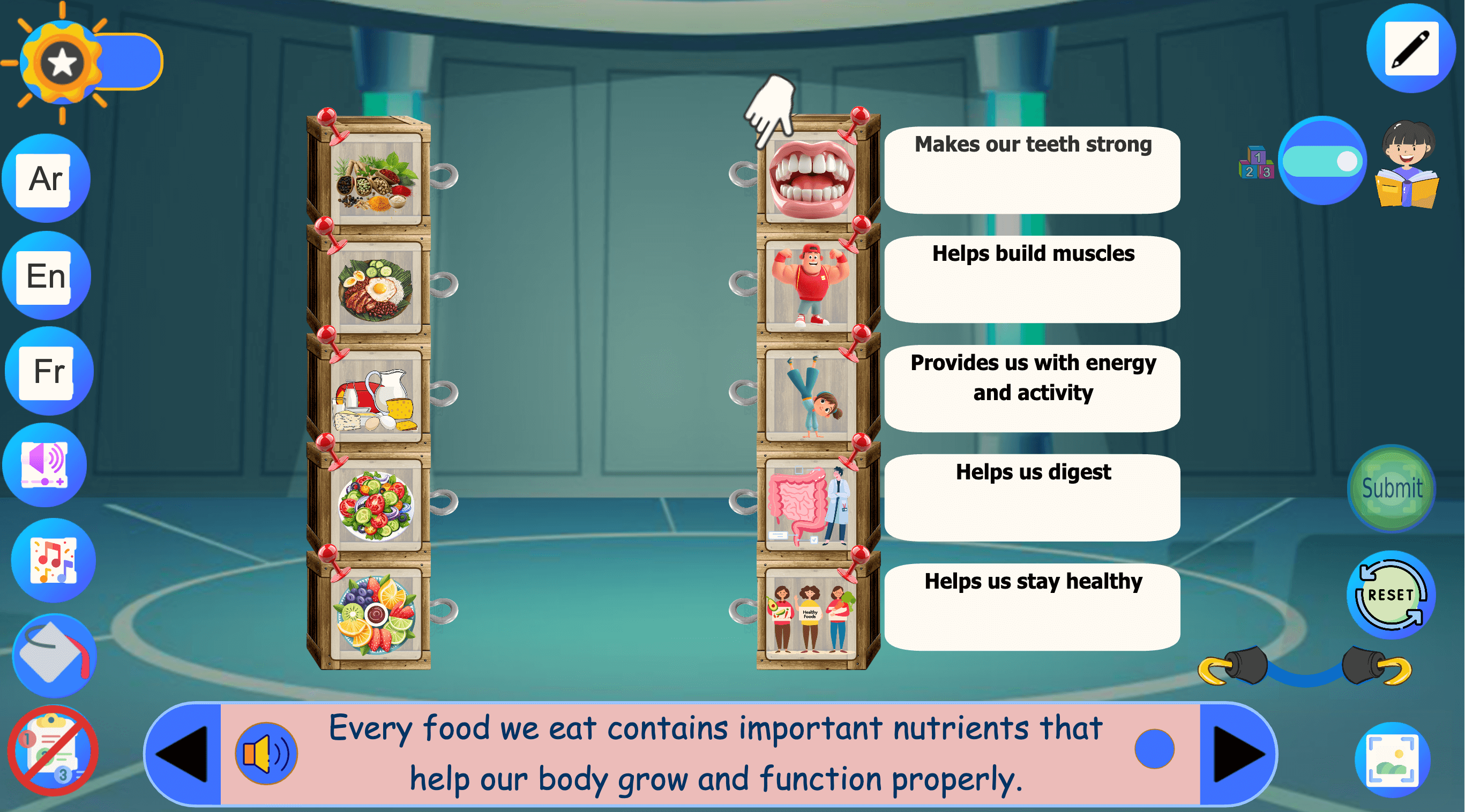
Keywords: Nutrients – Vitamins – Proteins – Carbohydrates – Food sources
Discover
Keywords: Nutrients – Vitamins – Proteins – Carbohydrates – Food sources
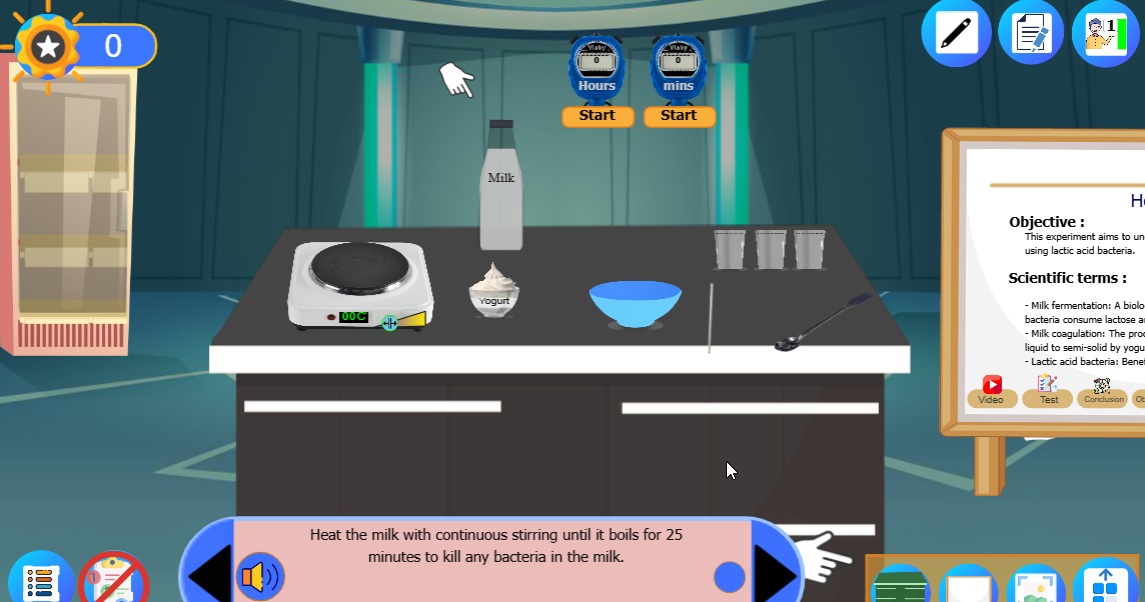
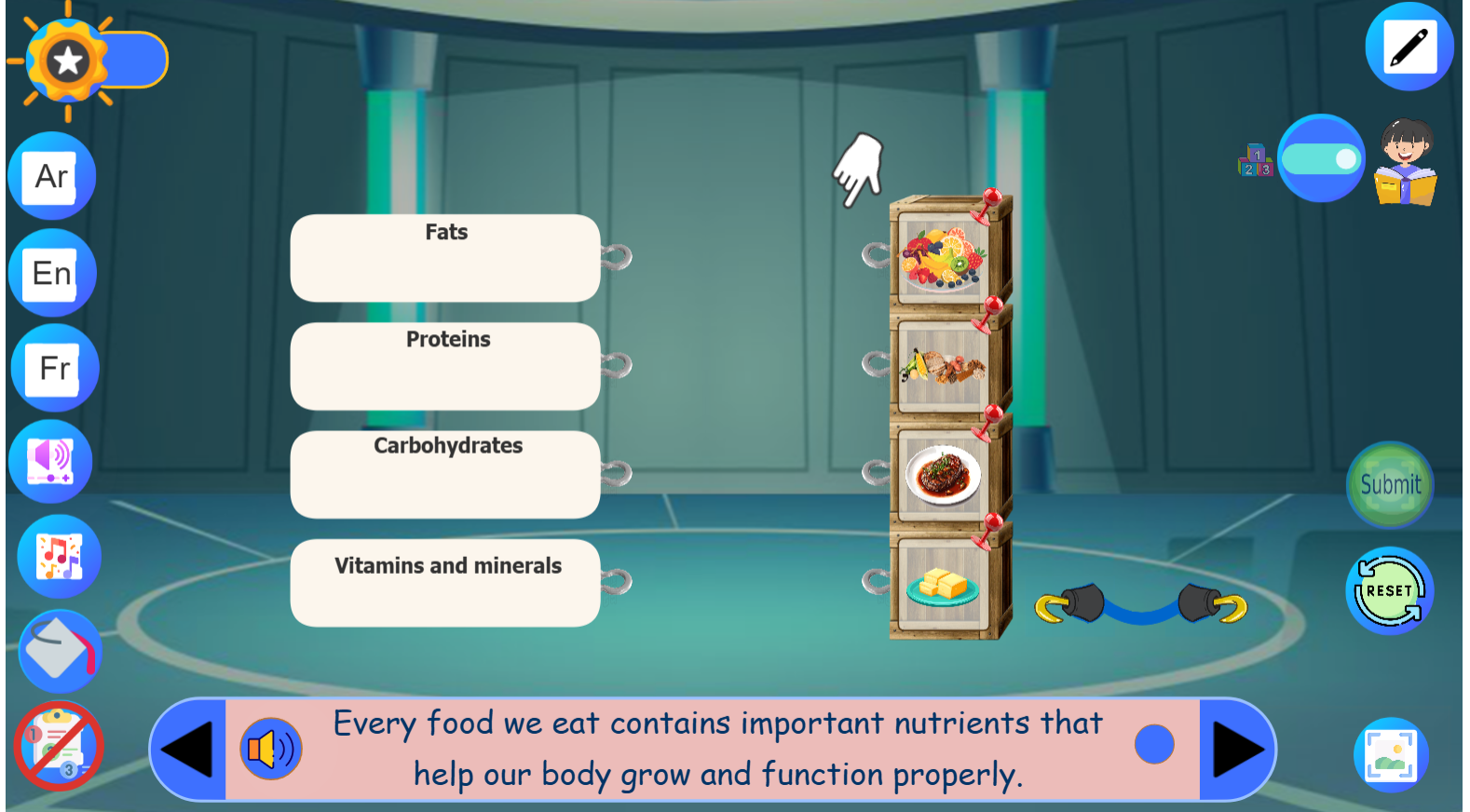
Keywords: Nutrients – Vitamins – Proteins – Carbohydrates – Food sources
Discover
Keywords: Nutrients – Vitamins – Proteins – Carbohydrates – Food sources
Photosynthesis and the carbon cycle
Keywords: Photosynthesis – Light intensity – Plants – Oxygen – Chlorophyll
Photosynthesis and the carbon cycle
Keywords: Photosynthesis – Light intensity – Plants – Oxygen – Chlorophyll

Keywords: Life stages – Human – Plant – Animal – Development
Discover
Keywords: Life stages – Human – Plant – Animal – Development

Keywords: Animal body parts – Functions – Movement – Feeding
Discover
Keywords: Animal body parts – Functions – Movement – Feeding

Keywords: Living organism – Growth – Reproduction – Nutrition – Response
Discover
Keywords: Living organism – Growth – Reproduction – Nutrition – Response
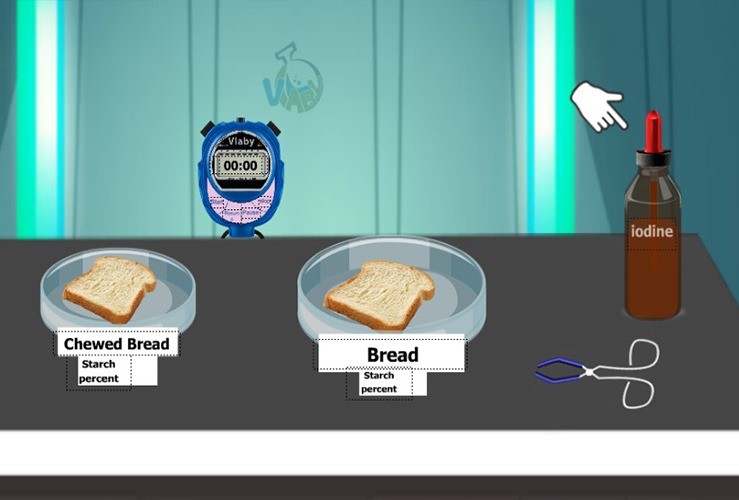
Objective: To prove that chemical digestion of starch begins in the mouth with the help of amylase e......
The digestive system
Objective: To prove that chemical digestion of starch begins in the mouth with the help of amylase enzyme present in saliva.Materials: Bread – Iodine solution – Two plates – Dropper – Spoon.Steps: Place a small piece of bread on the first plate and add a drop of iodine solution. Place a small piece......
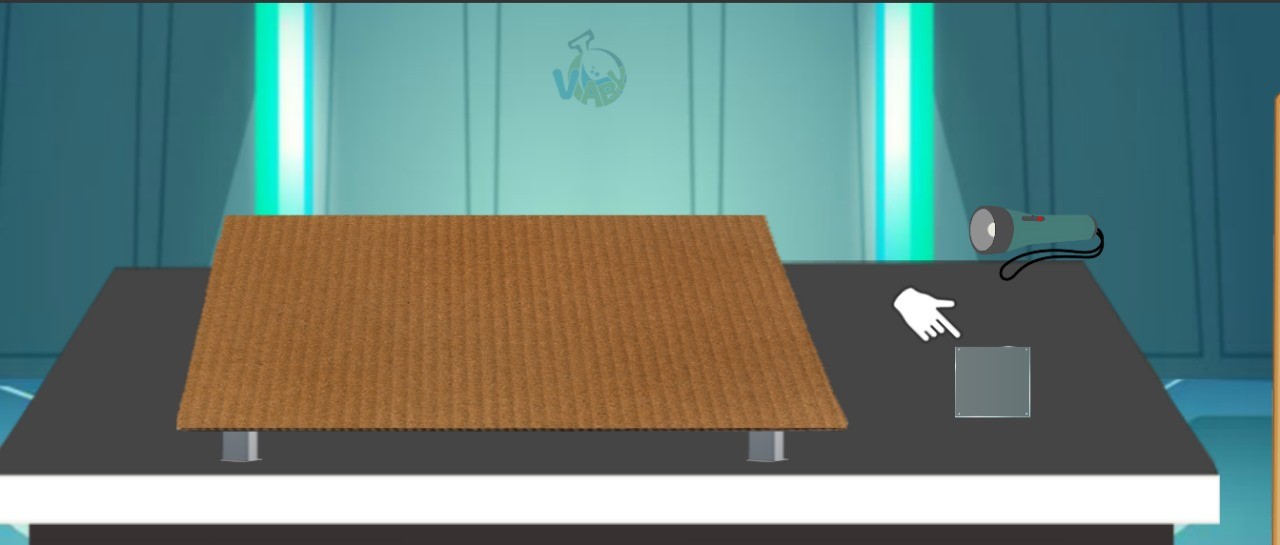
Objective: To understand the principle of echolocation by using light and a mirror to model how bats......
Sound
Objective: To understand the principle of echolocation by using light and a mirror to model how bats and dolphins locate objects.Materials: Small flat mirror _ Light source _ Piece of cardboard _ Four small supports to raise the cardboard above the mirror.Steps: Place the mirror vertically on the ta......

Keywords: Classification – Living organisms – Kingdoms – Families – Characteristics – Similarity
Science
Keywords: Classification – Living organisms – Kingdoms – Families – Characteristics – Similarity

Objective: To identify the factors that affect seed germination such as water and temperature, and t......
Energy and Food
Objective: To identify the factors that affect seed germination such as water and temperature, and to determine the optimal conditions for germinationMaterials: Seeds – transparent glass containers filled with soil – waterSteps: Place an equal number of seeds in each container so they are against th......

Objective:To prove that living organisms carry out respiration, and that this process releases energ......
Biology
Objective:To prove that living organisms carry out respiration, and that this process releases energy in the form of heat.Materials:Thermometer - cotton wool - two flasks - insulating material - some dead pea seeds - some living pea seedsSteps:Soak the living pea seeds for one hour.Place the germina......
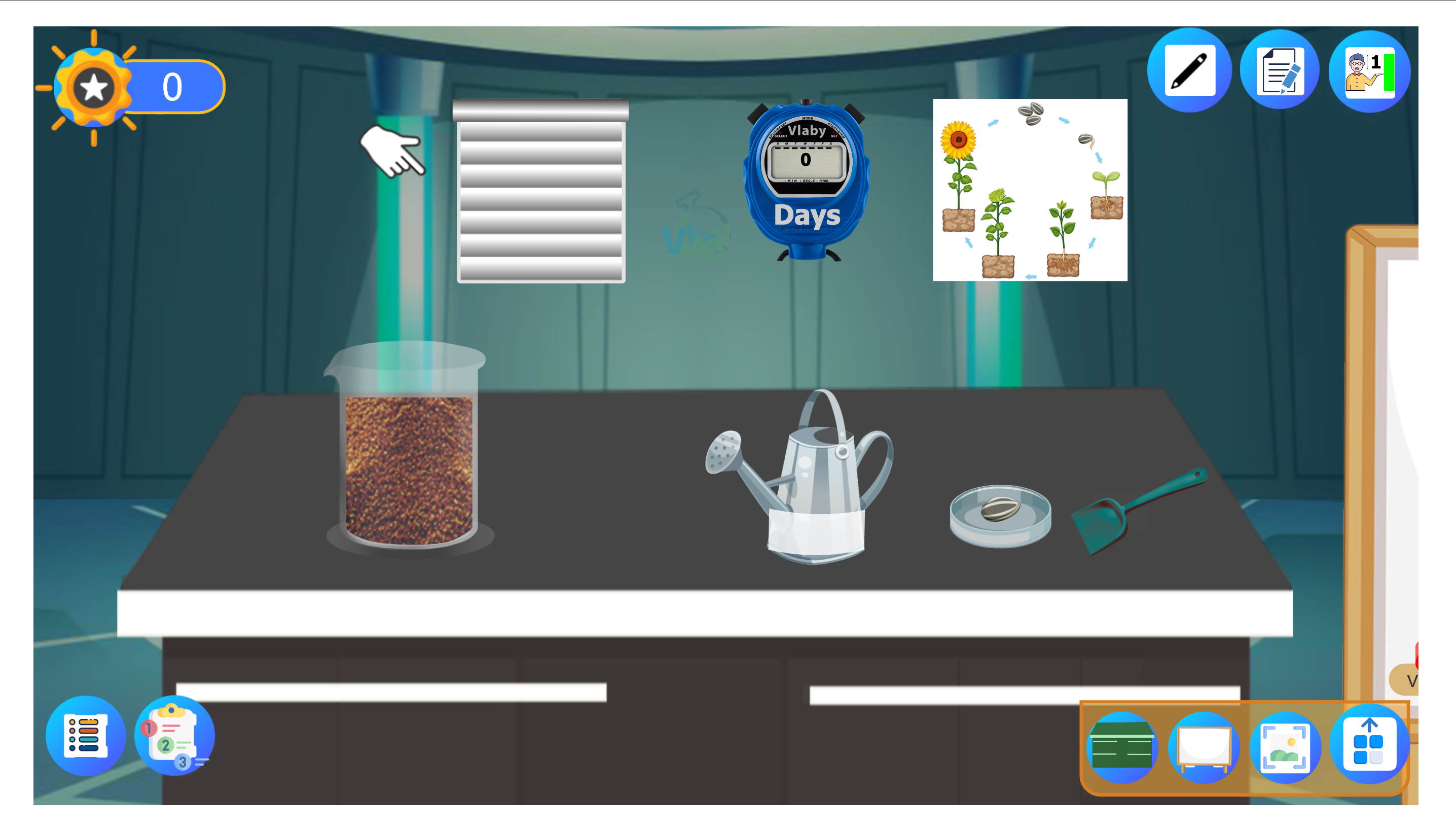
Objective: To identify the stages of the plant life cycle from the seed to the production of new see......
Discover
Objective: To identify the stages of the plant life cycle from the seed to the production of new seeds.Materials: One seed _ Pot with soil _ WaterSteps: Place the seed in the soil inside the pot and water it. Observe the germination of the seed as it grows into a small plant. Continue watering until......
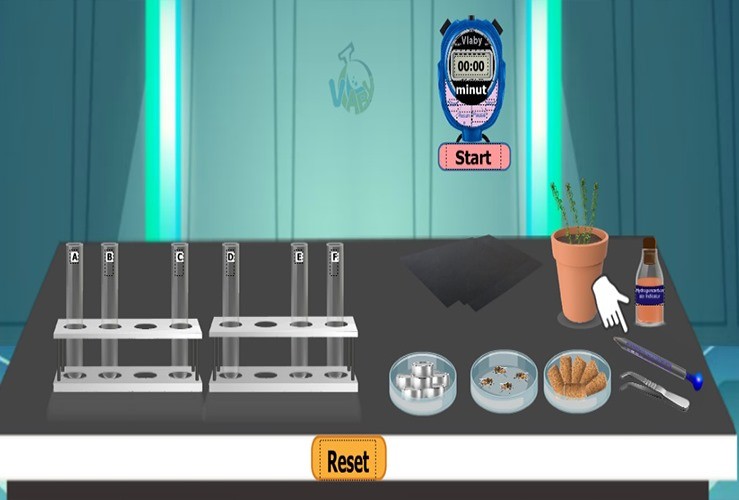
Objective: To investigate how respiration and photosynthesis affect the concentration of carbon diox......
Biology
Objective: To investigate how respiration and photosynthesis affect the concentration of carbon dioxide.Materials: Test tubes – holder – rubber stoppers – perforated metal platforms – small pieces of aquatic plants – small animals (such as fly larvae) – forceps – black paper – adhesive tape – hydrog......
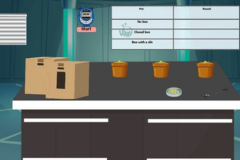
Keywords: Tropism – Plant response – Light – Gravity – Growth – Stem – Root
Chemistry
Keywords: Tropism – Plant response – Light – Gravity – Growth – Stem – Root
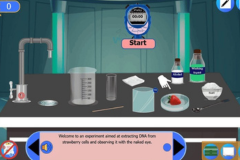
Objective: To extract DNA from strawberry cells and observe it with the naked eye.Materials: Ripe st......
Genes and heredity
Objective: To extract DNA from strawberry cells and observe it with the naked eye.Materials: Ripe strawberry _ Resealable plastic bag _ Dish soap _ Table salt _ Warm water _ Cheesecloth _ Glass cup _ Alcohol _ Wooden stickSteps: Place the strawberry in the plastic bag and mash it thoroughly. Mashing......
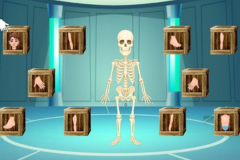
Keywords: Body parts – Body organs – Interactive model – Body structure – Simplified anatomy
Biology
Keywords: Body parts – Body organs – Interactive model – Body structure – Simplified anatomy
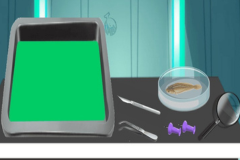
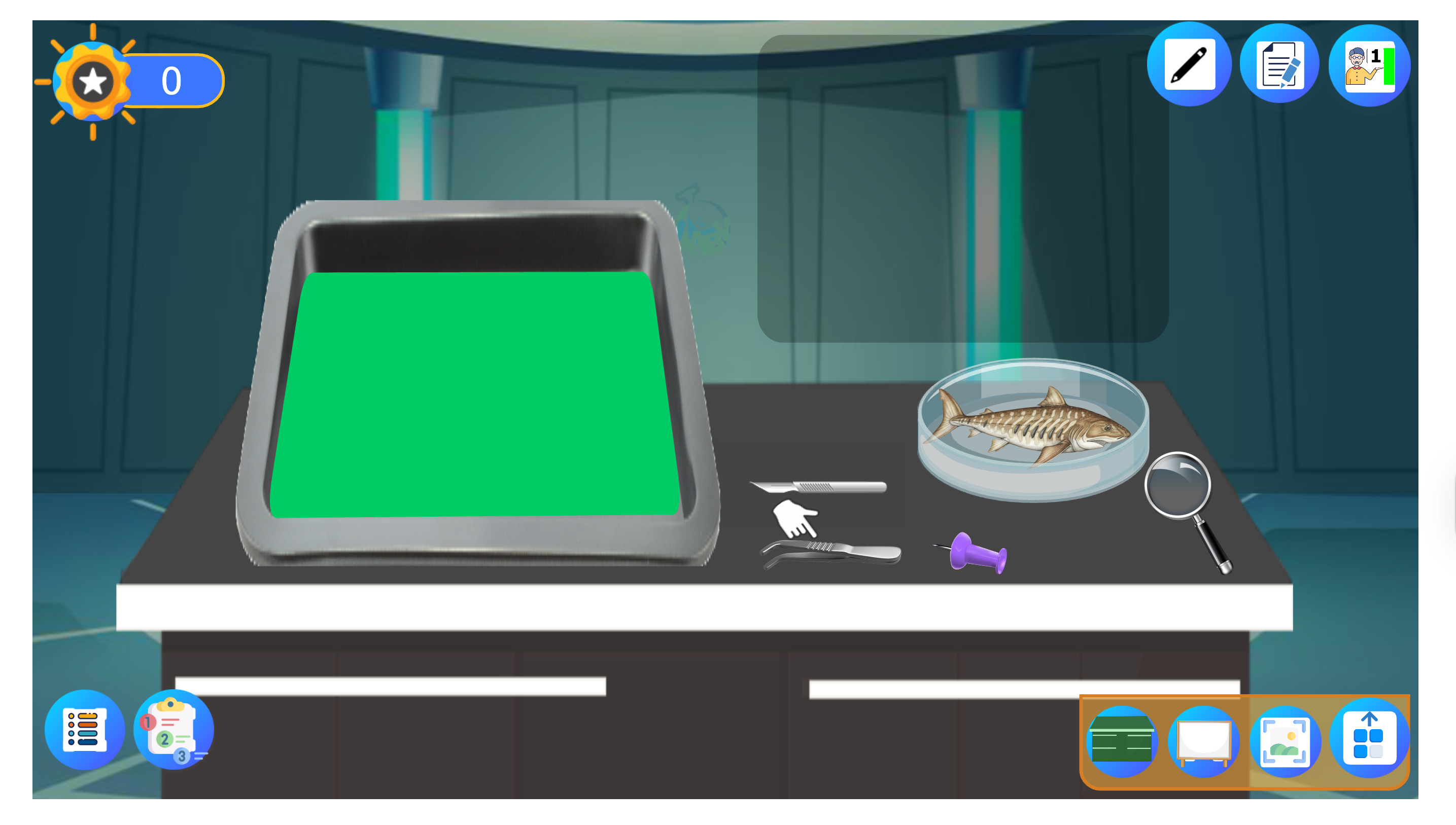
Objective: To illustrate the anatomy of chordates (notochord — dorsal nerve cord — pharyngeal slits......
biology
Objective: To illustrate the anatomy of chordates (notochord — dorsal nerve cord — pharyngeal slits — post-anal tail) by creating a simple model and observing it.Tools: Dissection tray – scalpel – forceps – Petri dish containing the specimen – dissection pins – magnifying lensSteps: Fix the specimen......
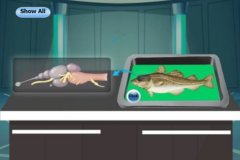
Keywords: Fish brain – Nervous system – Nerves – Balance – Senses – Dissection – Cerebellum – Brain
biology
Keywords: Fish brain – Nervous system – Nerves – Balance – Senses – Dissection – Cerebellum – Brain
Movement into and out of cells
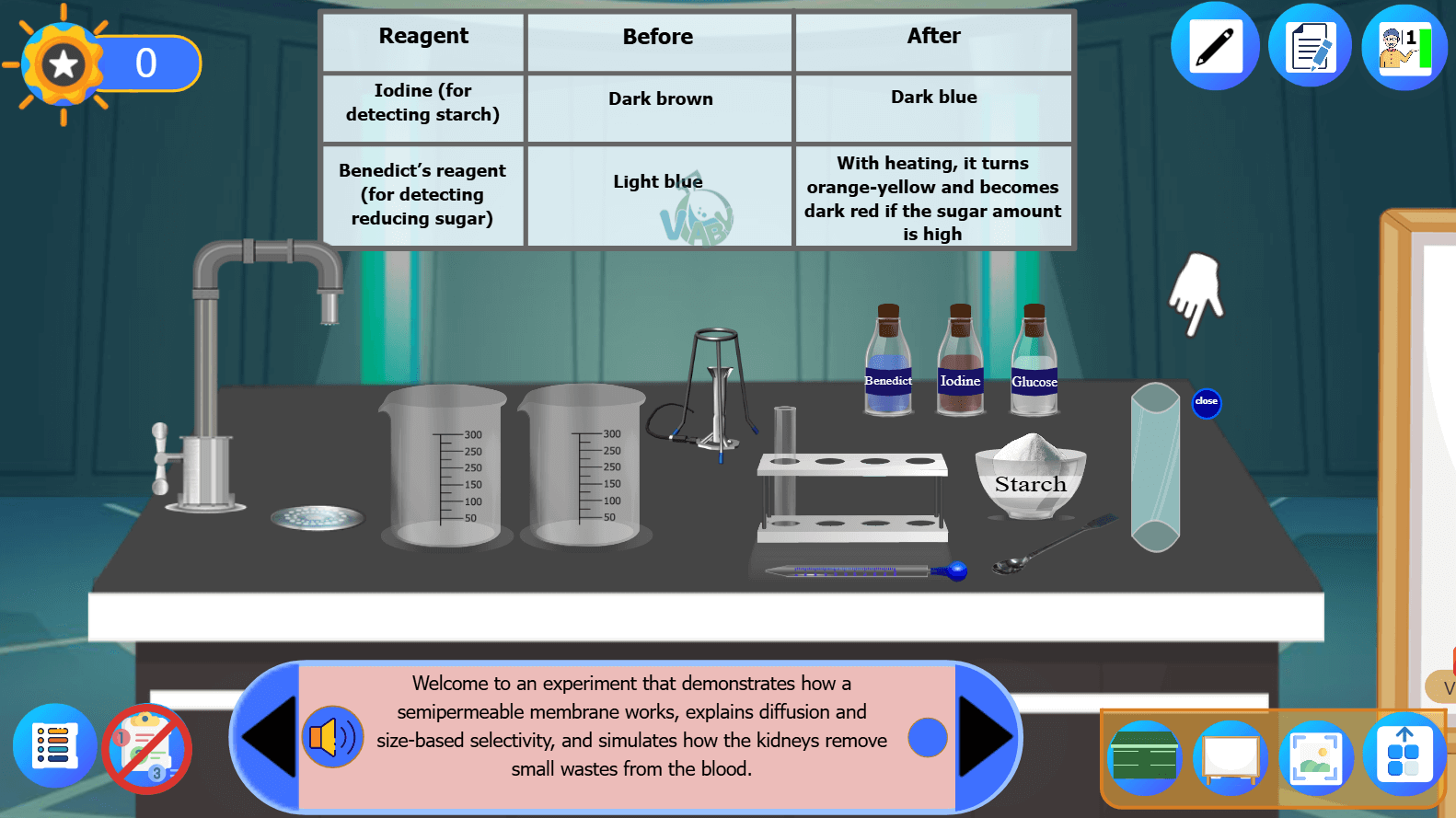
Keywords: Selective permeability – Semi-permeable membrane – Diffusion – Molecules – Concentration –......
Movement into and out of cells
Keywords: Selective permeability – Semi-permeable membrane – Diffusion – Molecules – Concentration – Osmosis
biology
Keywords: Fish dissection – Gills – Fins – Internal organs – Digestive system – Skeleton
Objective: To identify the components of the immune system in the human body.Materials: Diagram of t......
Biology
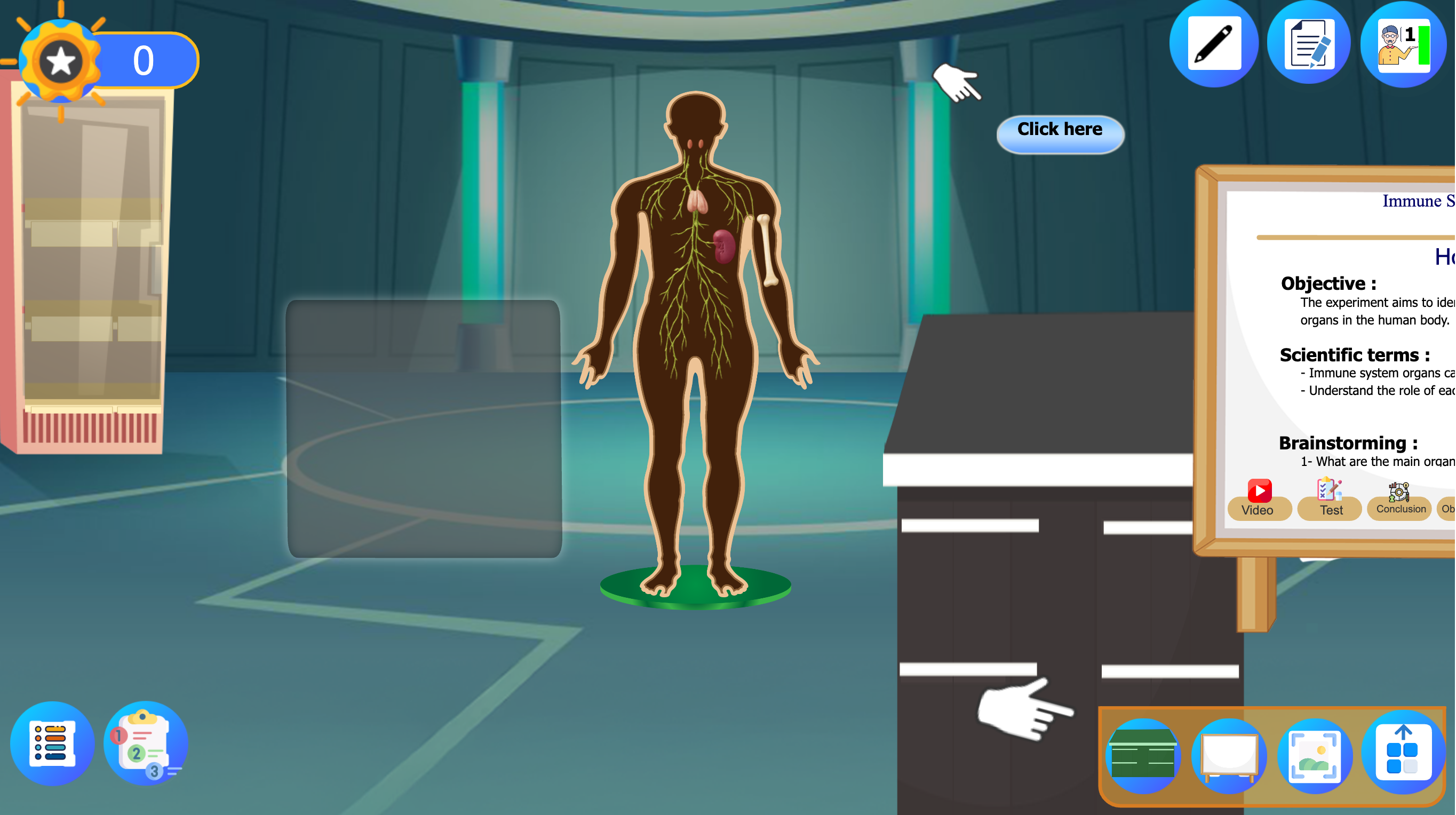
Objective: To identify the components of the immune system in the human body.Materials: Diagram of the immune systemSteps:Identify the immune system organs in the diagram.Match the organs with their cards in the model.Connect each organ to its function in defending the body.Compare innate and adapti......
An interactive activity that helps learners identify healthy foods by dragging cards into the correc......
Sciences
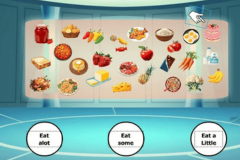
An interactive activity that helps learners identify healthy foods by dragging cards into the correct boxes. Correct choices are confirmed visually, while incorrect ones return to their place.Keywords: Healthy nutrition – Healthy foods – Food classification – Food choice – Body health
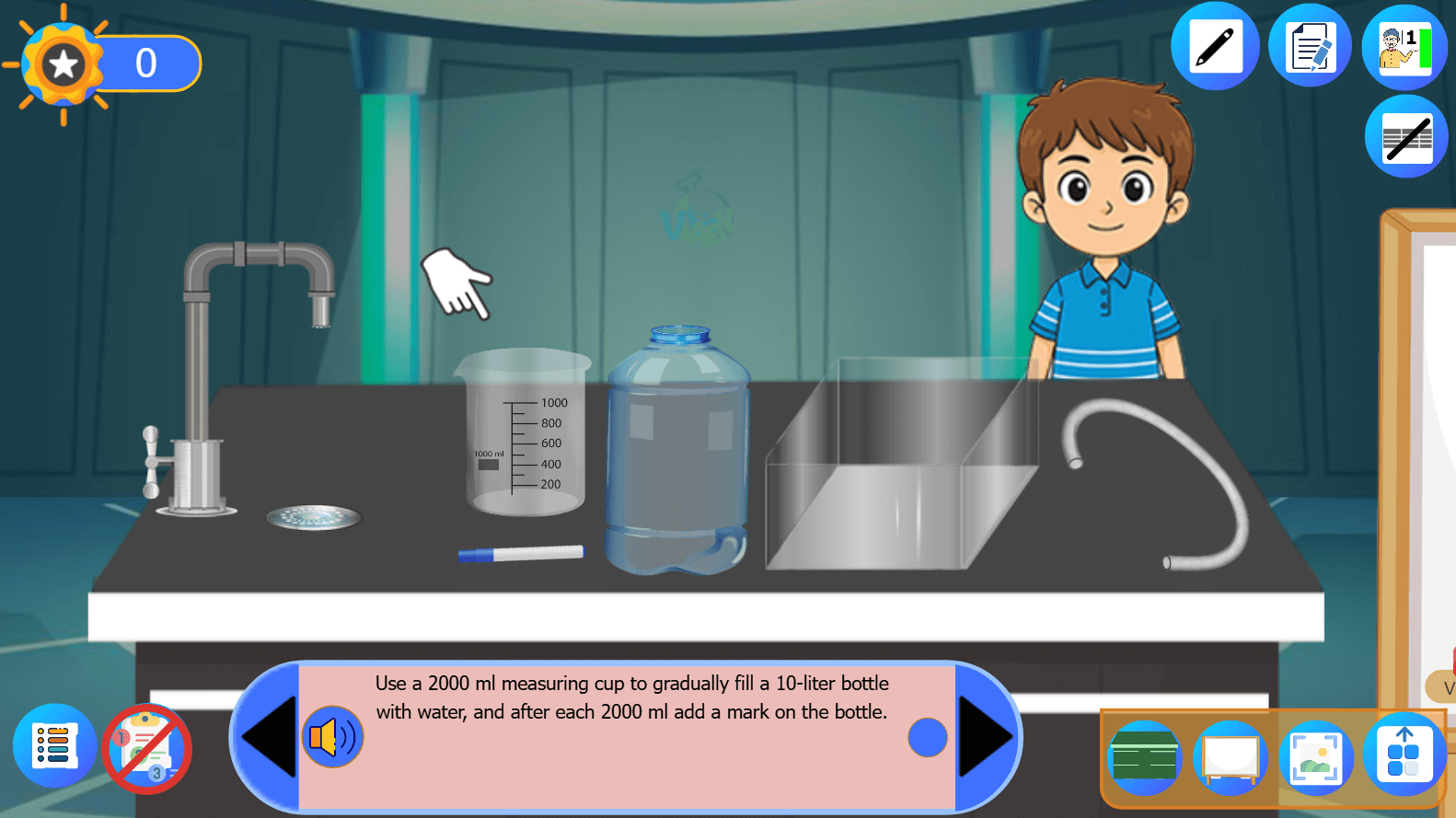
Objective To measure the volume of air a person can exhale in a deep breath (vital capacity) or duri......
biology
Objective To measure the volume of air a person can exhale in a deep breath (vital capacity) or during normal breathing (tidal volume).Tools 5-liter plastic bottle – large water tray – flexible rubber tube – marking pen – small measuring cup – stopwatchSteps Use a 500 ml measuring cup to fill the bo......
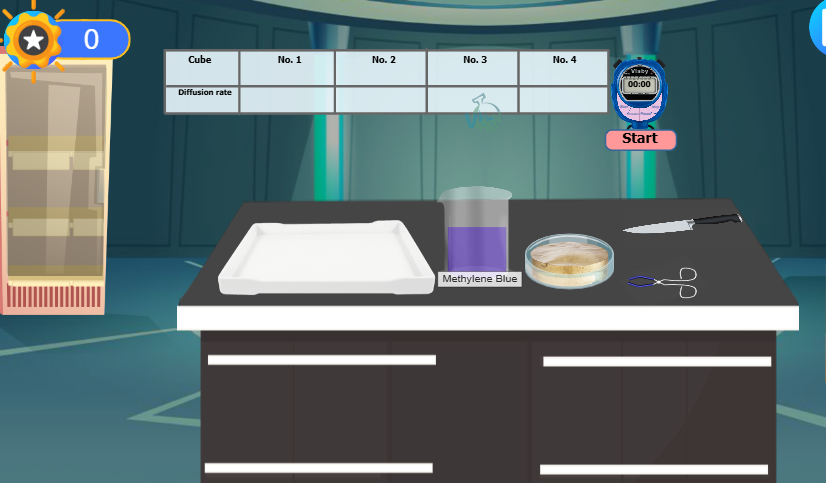
Objective To study the effect of cube size and surface area-to-volume ratio on the rate and depth of......
Forces Around Us
Objective To study the effect of cube size and surface area-to-volume ratio on the rate and depth of dye diffusion inside cubes.Tools Starch agar or gelatin block ≥ 3 cm thick – ruler and sharp knife – beaker with methylene blue or potassium permanganate solution – forcepsSteps Use the ruler and kni......
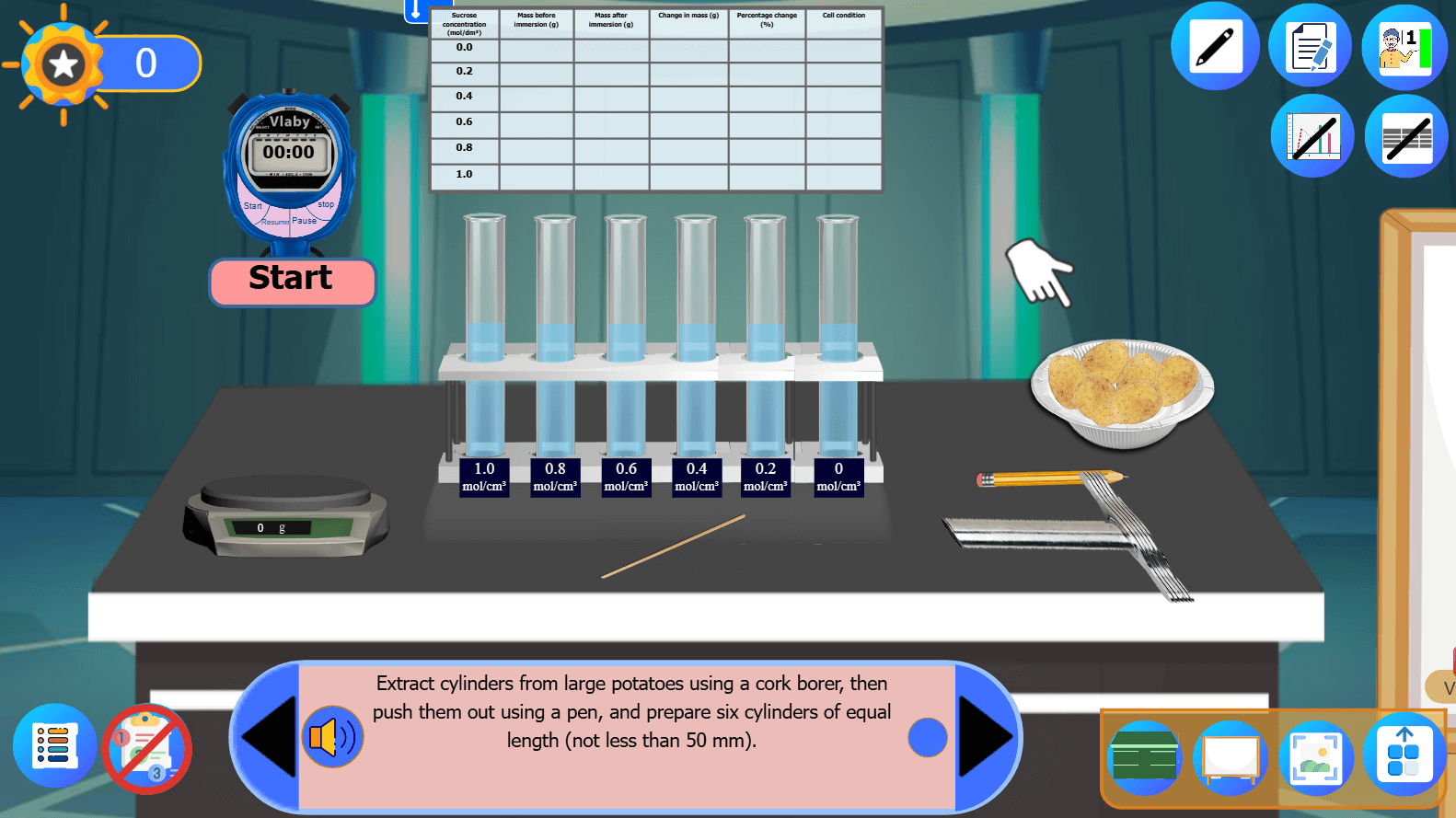
Movement into and out of cells
EnglishObjective To study the effect of different sucrose solution concentrations on the mass and te......
Movement into and out of cells
EnglishObjective To study the effect of different sucrose solution concentrations on the mass and texture of potato tissues, and to understand water movement across semi-permeable membranes by osmosis.Tools Large potatoes – cork borer – pen for pushing cylinders – 6 test tubes – test tube rack – suc......
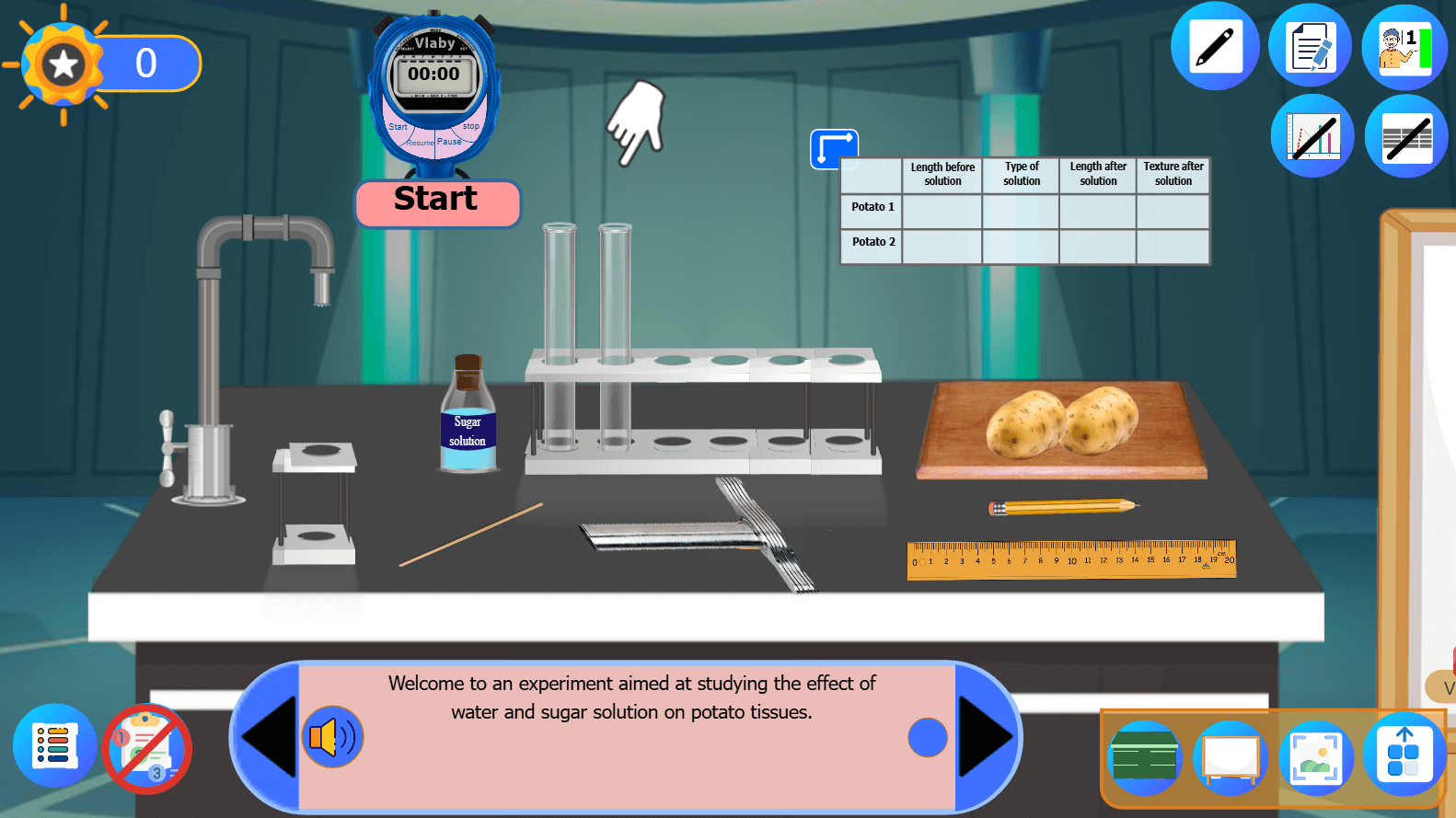
Movement into and out of cells
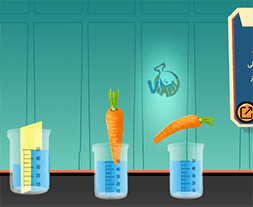
An experiment aimed at understanding the effect of water and sugar solution on po:Objective To study......
Movement into and out of cells
An experiment aimed at understanding the effect of water and sugar solution on po:Objective To study the effect of water and sugar solution on the length and texture of potato cylinders after immersion.:Tools Large potato - Cork borer - Pencil to push cylinders - Two test tubes - 20% sugar solution......
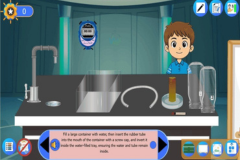
Objective: To prove that exhaled air contains less oxygen compared to atmospheric air.Materials: Lar......
Science
Objective: To prove that exhaled air contains less oxygen compared to atmospheric air.Materials: Large container with screw cap – water container – rubber tube – candle.Procedure: Fill the large container with water. Place the rubber tube through the cap and invert the container in the water, ensuri......
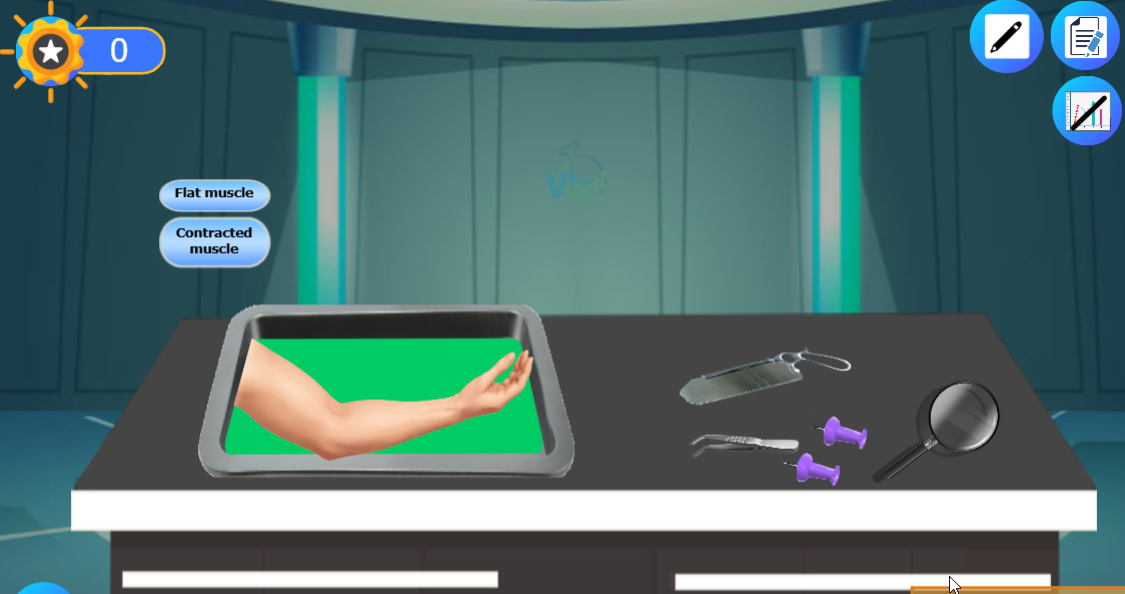
Objective: To understand how skeletal muscles work during movement and study the relationship betwee......
biology
Objective: To understand how skeletal muscles work during movement and study the relationship between contraction of one muscle and relaxation of its opposing muscle.Materials: Human arm model.Procedure: Bend the arm at the elbow joint and observe the shape of the biceps and triceps. Straighten the......
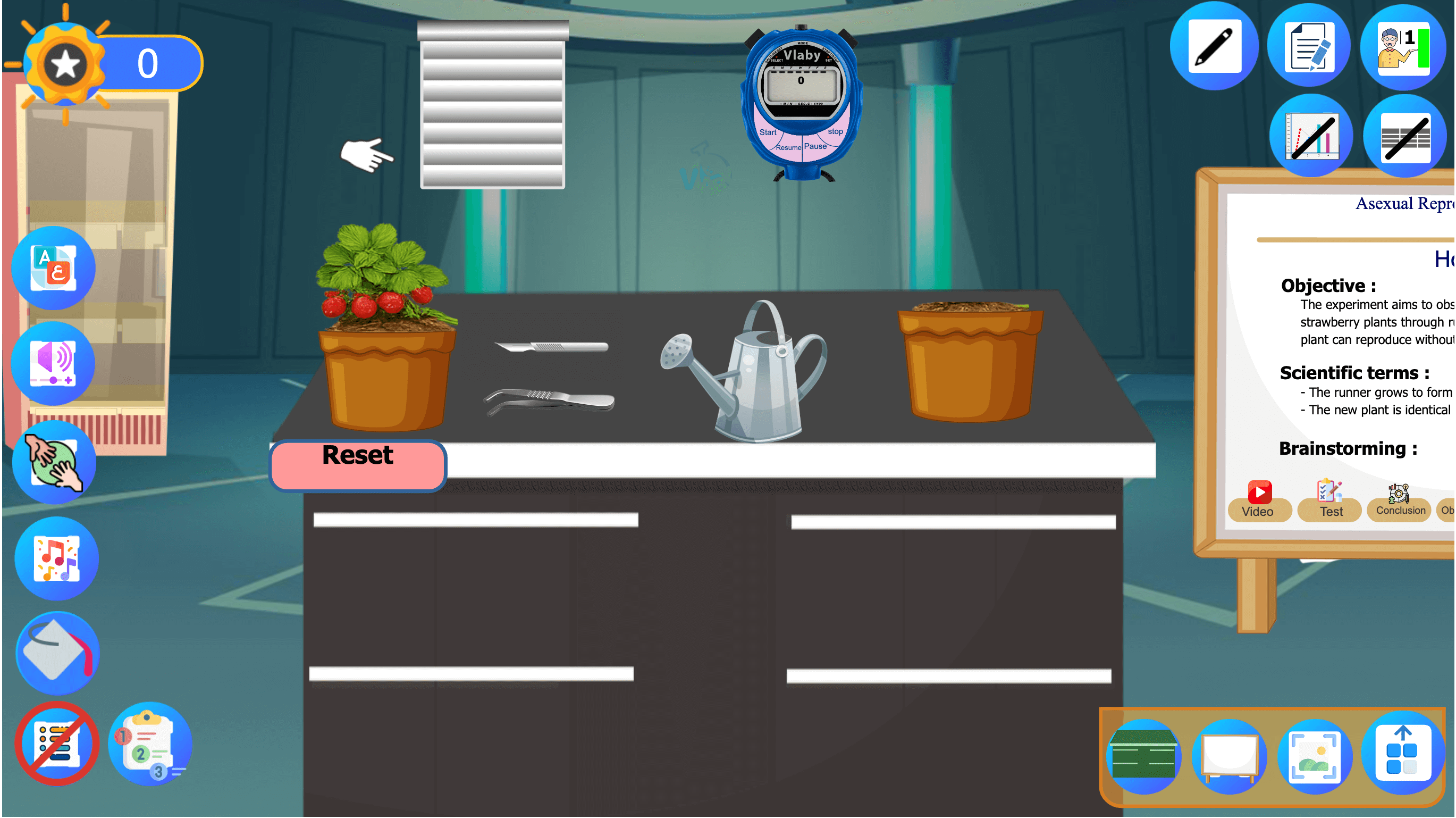
Objective: Observe asexual reproduction in strawberry plants through runners and understand how a pl......
biology
Objective: Observe asexual reproduction in strawberry plants through runners and understand how a plant can create a new copy of itself without seeds.Materials: Healthy strawberry plant – pot with moist soil – water.Procedure: Observe the parent plant and its parts. Take a long healthy runner from t......
Objective: To compare the amount of thermal energy released from the combustion of fats and carbohyd......
Integrated Sciences
Objective: To compare the amount of thermal energy released from the combustion of fats and carbohydrates.Tools: Test tube - Combustion spoon - Bunsen burner - Sensitive balance - Thermometer - Water - Sample of white sugar (carbohydrate) - Sample of pure vegetable oil (fat)Steps: Place an appropria......
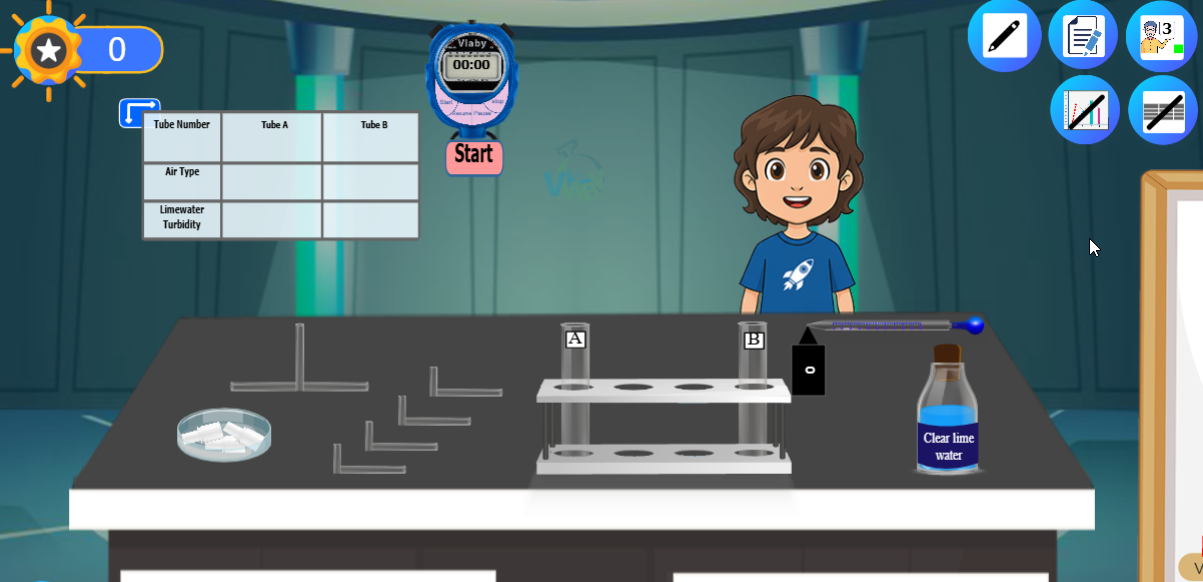
Objective: To prove that exhaled air contains a greater amount of carbon dioxide compared to inhaled......
Organisation of the organism
Objective: To prove that exhaled air contains a greater amount of carbon dioxide compared to inhaled air.Tools: Two large boiling tubes (A and B) - A small amount of clear limewater in each tube - Mouthpiece with one-way valves - Connecting tubesSteps: Place equal amounts of clear limewater in both......
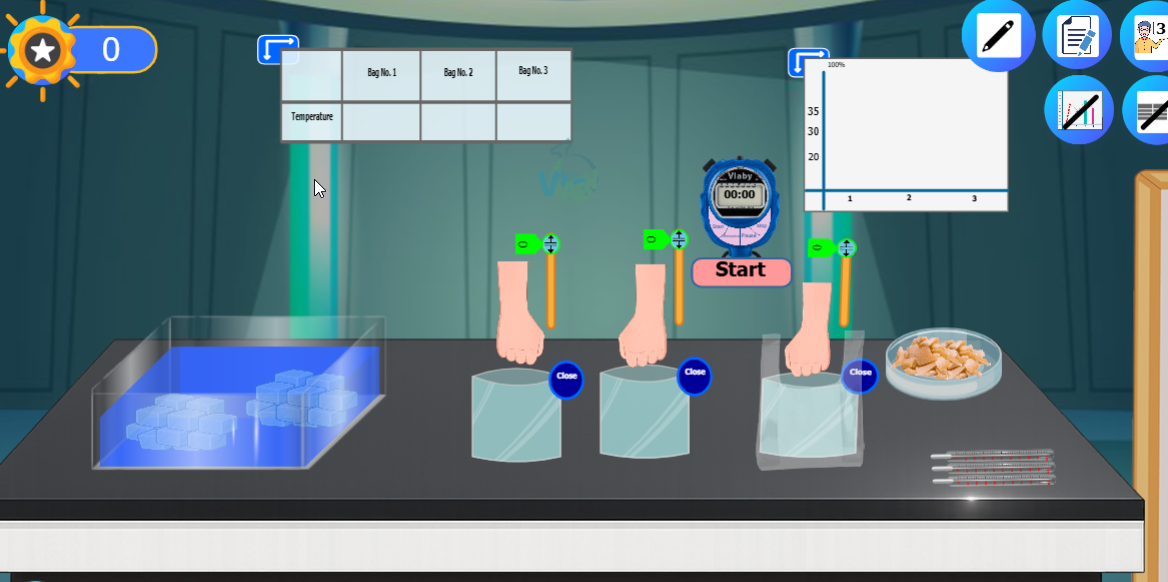
Objective To explain the role of fats in reducing heat loss and show that they act as a thermal insu......
Discover
Objective To explain the role of fats in reducing heat loss and show that they act as a thermal insulator that maintains body temperature.Tools Vegetable fats - Double-layer plastic bag - Plastic bag without fats - Bowl containing ice water - ThermometerSteps Place the vegetable fats inside the doub......
Objective: To identify the different tissues in a plant stem (xylem – phloem – cortex – pith) and us......
Sciences
Objective: To identify the different tissues in a plant stem (xylem – phloem – cortex – pith) and use the differential stain Toluidine Blue O to distinguish them under the microscope.Tools: Fresh plant stem _ Sharp razor blades _ Forceps _ Glass slides and coverslips _ Distilled water _ 30% glycerin......
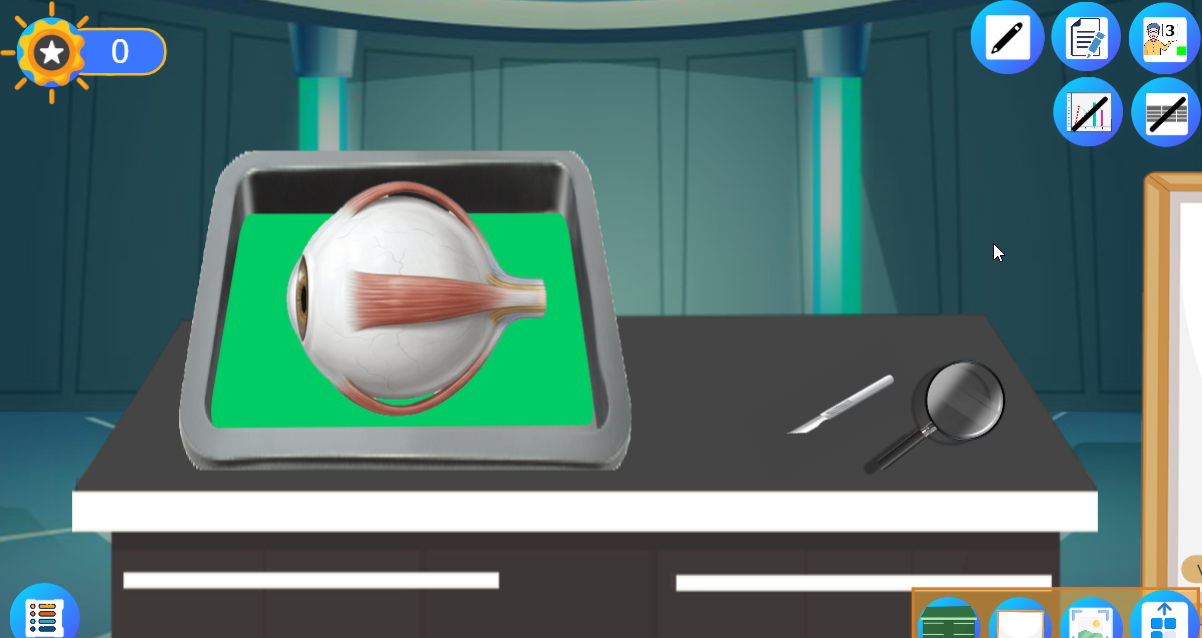
Objective: To learn the structure of the eye and its internal parts, and understand how light is rec......
Physics
Objective: To learn the structure of the eye and its internal parts, and understand how light is received and images are formed.Materials: Animal eye _ Scalpel _ Scissors _ Forceps _ Gloves _ Dissection traySteps: Observe the outer shape of the eye and identify its visible parts. Examine the interna......
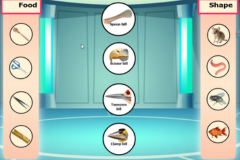
Objective: To identify the relationship between the shape of a bird’s beak and the type of food it e......
Change Over Time
Objective: To identify the relationship between the shape of a bird’s beak and the type of food it eats, and to understand how the beak helps the bird obtain its food.Materials: Pictures of different bird beaks _ Pictures of tools similar to beak shapes _ Pictures of different types of foodSteps: Ob......

© All Rights Reserved @ 2026 For VLaby - Powered By VLaby.